Furnace not heating on the first cold morning
Our fall tune-up tests the igniter, flame sensor, and gas valve under load. If a part is weak, we replace it on the spot for the flat repair price, not the emergency rate.
Furnace maintenance Hunters creek FL is a 21-point inspection and cleaning that keeps your heat running through every cold snap. We serve homeowners in Hunters Creek, Westchase, and Spring Branch who want lower gas bills and no 2 a.m. breakdown. Our techs test ignition, clean burners, check the heat exchanger, and swap your air filters. Most visits take 60 to 90 minutes, and we leave you with a written report.
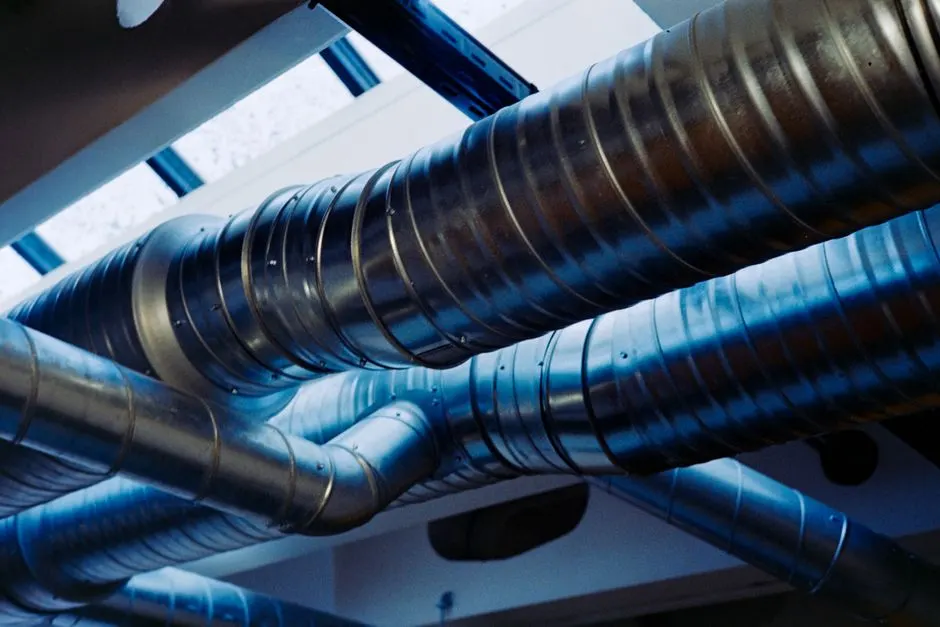
A furnace maintenance Hunters creek FL visit is not a quick glance at the unit. We pull the burner assembly, brush the burners clean, inspect the heat exchanger for cracks, and test the ignition sequence with a multimeter. We check the blower motor amp draw, tighten electrical connections at the capacitors and contactors, and verify the thermostat is calibrated. Gas pressure gets measured at the manifold, and we confirm the flue is drafting correctly. Every visit ends with a new air filter and a combustion analyzer reading so you know the unit is burning clean.
Hunters creek winters are mild, but the humidity is not. That mix of warm days and cool nights means your furnace sits idle for weeks, then fires up on the first cold morning. Dust settles on the burners, the pilot or igniter gets lazy, and the blower bearings dry out. That is why we recommend an annual furnace maintenance Hunters creek FL visit every October or November, before you actually need heat. If you skip it, you are rolling the dice on the one morning you really want a warm house.
Every furnace maintenance Hunters creek FL visit covers the same 21 checkpoints. Repairs and parts are quoted separately, and you approve them before we start. Here is what you get on a standard visit.
We pull the burner assembly, brush each burner clean, and polish the flame sensor. A dirty sensor is the number one cause of intermittent no-heat calls we see on Hunters creek furnaces, and cleaning it takes minutes.
We inspect the heat exchanger for cracks, corrosion, and soot. A cracked exchanger is a carbon monoxide risk, and it is the one finding that usually pushes a repair toward replacement. You get a photo of what we saw.
We insert a combustion analyzer into the flue and read oxygen, carbon monoxide, and stack temperature. If the numbers are off, we adjust gas pressure or flag a deeper issue. This is the step most $79 tune-ups skip.
We measure amp draw on the blower motor, tighten connections at the capacitors and contactors, and check the control board for heat damage. A blower pulling too many amps is a motor on its way out.
We swap your air filter with a standard size from the truck. If your return grille takes an odd size, we note it on the report so you can stock up. A clogged filter is the cheapest thing to fix and the most common cause of airflow problems.
You get a written report with all the readings, plus photos of the heat exchanger and burner compartment. If we found a part on its way out, we tell you the price to fix it now versus the risk of waiting.
Call (844) 796-4282 or book online. We offer morning and afternoon windows, plus Saturday slots through November. You get a text when the tech is on the way, with a photo and name so you know who is knocking. Most Hunters creek jobs get scheduled within 48 hours.
The tech starts at the thermostat and works back to the furnace. We check thermostat calibration, verify the call for heat, then move to the unit. Burner assembly, heat exchanger, flue, gas valve, and blower all get looked at. This part takes 20 to 30 minutes on a typical Carrier or Trane unit.
We brush the burners, vacuum the burner compartment, clean the flame sensor, and swap your air filter. Then we test ignition, measure gas pressure at the manifold, check amp draw on the blower motor, and tighten connections at the capacitors and contactors. Another 30 to 40 minutes.
We insert a combustion analyzer into the flue and read oxygen, carbon monoxide, and stack temperature. This tells us whether the furnace is burning clean or running rich. If the numbers are off, we adjust the gas pressure or flag a deeper issue. This is the step most cheap tune-ups skip.
You get a written report with the combustion numbers, amp readings, and a photo of the heat exchanger. If we found a part on its way out, we tell you the price to fix it now versus the risk of waiting. No pressure, no upsell scripts. You decide.
Purpose-built equipment, used by trained technicians — so the job is done accurately the first time.
Reads oxygen, carbon monoxide, and stack temperature at the flue. It tells us whether the furnace is burning clean or running rich, which is the difference between a safe unit and a CO risk.
Tests voltage and continuity at the igniter, flame sensor, gas valve, and control board. It is how we catch a weak component before it fails outright.
Measures gas pressure at the manifold so we can confirm the furnace is running at the manufacturer's spec. Off-spec pressure wastes gas and shortens heat exchanger life.
Reads amp draw on the blower motor and inducer. A motor pulling above its rated amps is on its way out, and we would rather replace it on a scheduled visit than an emergency one.
Used on heat pump and dual-fuel systems when we need to evacuate lines or recover refrigerant R-410A or R-32 during a repair.
Pulls dust and debris out of the trunk lines and registers. Clean ducts mean your new air filter stays clean longer and your blower is not fighting a restriction.
For copper tubing work on gas lines and refrigerant lines. Clean flares and square cuts are how you avoid leaks down the road.
A 2004 Goodman furnace was firing for two minutes and shutting off. Gas bills were up $60 a month, and two rooms never got warm. The homeowner was quoted a full replacement by another company.
We cleaned the burners, replaced a weak flame sensor, corrected gas pressure at the manifold, and swapped a clogged filter. The furnace now runs full cycles, and the gas bill dropped $45 the first month. Total repair cost: $210.
A Hunters Creek homeowner booked a routine fall tune-up. The furnace was running fine, but the combustion analyzer showed elevated CO and the heat exchanger had a visible crack near the burner inlet.
We shut the unit down the same day, walked the homeowner through the photos, and quoted both a heat exchanger replacement and a full furnace replacement. They chose replacement, and we had a new Carrier unit running in two days.
A Westchase home had a furnace that seemed fine but had been making a low rumbling noise for weeks. Amp draw on the blower motor read 20 percent above spec during a routine tune-up.
We flagged the motor, quoted the replacement, and swapped it on a scheduled visit two weeks later. The homeowner avoided a mid-January emergency call and paid the standard repair rate instead of after-hours pricing.
Most winter no-heat calls trace back to something a fall tune-up would have caught. Here are the furnace problems we see most often on Hunters creek systems, and what happens if you let them ride.
Ask a pro →Our fall tune-up tests the igniter, flame sensor, and gas valve under load. If a part is weak, we replace it on the spot for the flat repair price, not the emergency rate.
We clean the burners, swap the filter, and check gas pressure at the manifold. Most customers see a 5 to 15 percent drop in gas use the first month after a tune-up.
Short cycling usually traces to a thermostat calibration issue, a restricted filter, or a gas pressure problem. We test all three and correct the cause instead of just resetting the unit.
We inspect the exchanger on every visit and run a combustion analyzer on the flue. If we find a crack, we tell you the same day and give you a straight repair-versus-replace number.
Most furnace maintenance in Hunters creek FL runs $129 to $189 for a standard 21-point tune-up in 2026. That covers cleaning, testing, combustion analysis, and a new air filter. If your system needs a repair, we quote it flat before we start. Homes with two furnaces or a zoned system pay a bit more because there is more equipment to service.
Once a year, ideally in October or early November before the first cold snap. Hunters creek furnaces sit idle most of the year, so dust and humidity build up on the burners and igniter. An annual furnace tune-up Hunters creek FL visit catches that buildup before it turns into a no-heat call. If your system is over 12 years old, we sometimes recommend a mid-season check too.
Yes. We run furnace maintenance near me Hunters creek FL calls across Hunters Creek, Westchase, Spring Branch, Briar Forest, and the surrounding Orange County neighborhoods. Same-day slots are usually available on weekdays, and we keep a 24/7 line open for emergencies. Call (844) 796-4282 and we will tell you the next open window.
A furnace tune-up in Hunters creek FL covers 21 checkpoints: burner cleaning, heat exchanger inspection, flame sensor cleaning, ignition test, gas pressure check, blower amp draw, capacitor and contactor inspection, flue draft test, combustion analysis, thermostat calibration, and a new air filter. You get a written report with the readings. Repairs are quoted separately and only if you approve them.
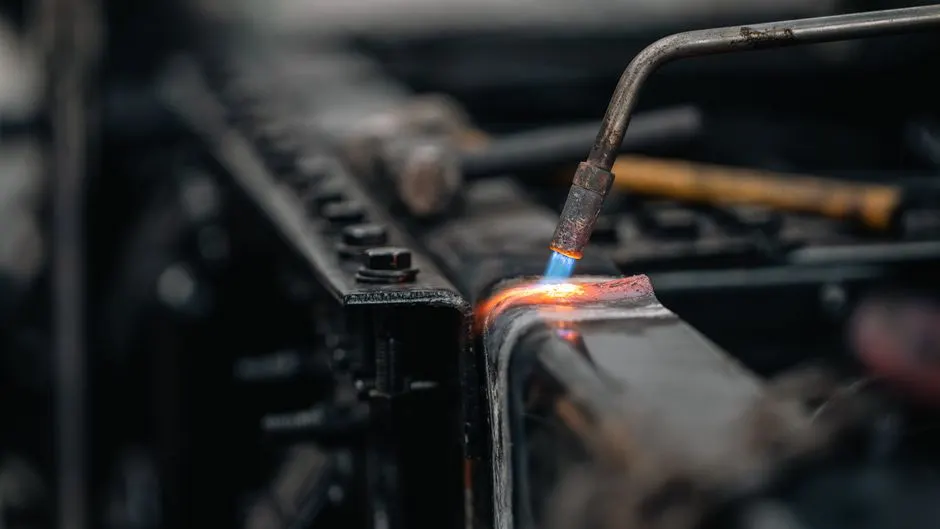 furnace repairWhen your furnace stops heating, we diagnose the igniter, flame sensor, gas valve, or blower and fix it same-day across Hunters creek. Most repairs finish on the first visit because our trucks carry the common failure parts.Explore →
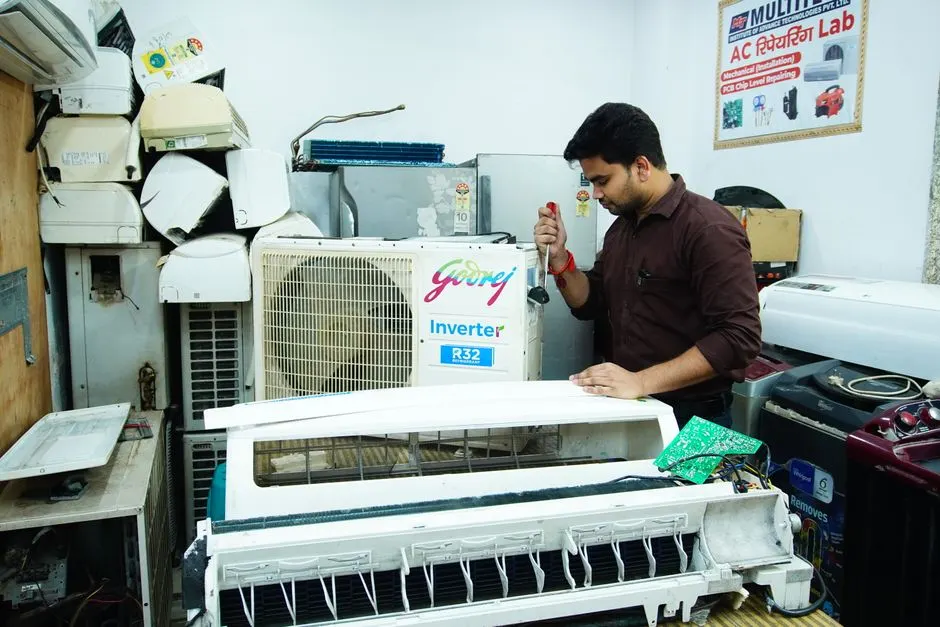 air conditioning repairHunters creek homes run AC nine months a year. We repair refrigerant leaks, clogged filters, faulty thermostats, and compressor issues, and we tune your system before summer so it holds up through July.Explore →
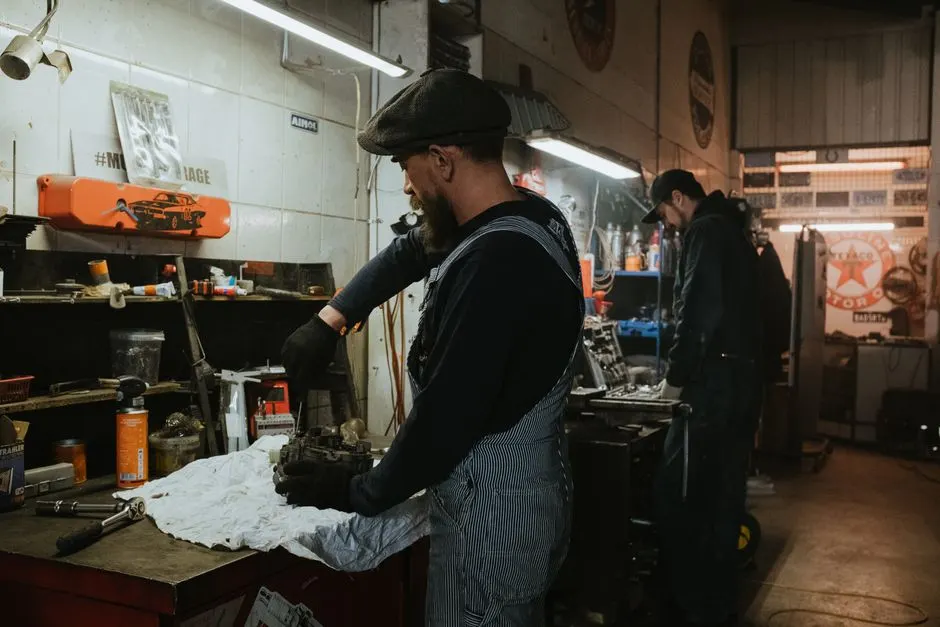 furnace replacementIf your furnace is past 15 years or the heat exchanger is cracked, replacement usually beats another repair. We size the new unit to your home, pull the permit, and haul the old one away.Explore →
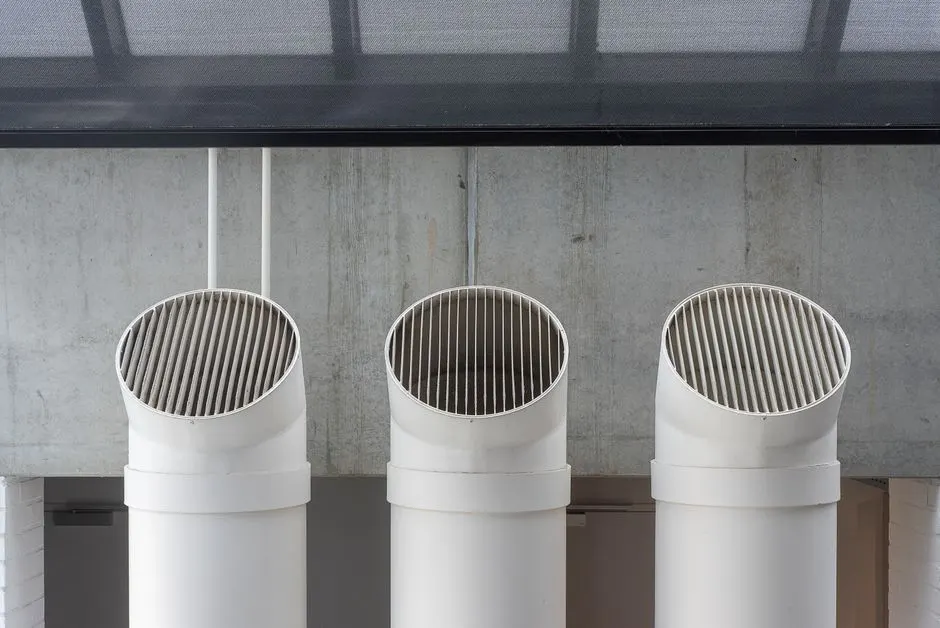 air duct cleaningDusty ducts push debris straight into your furnace and clog the filter fast. We clean the trunk lines and registers so your tune-up lasts longer and your indoor air stays cleaner through the winter.Explore →
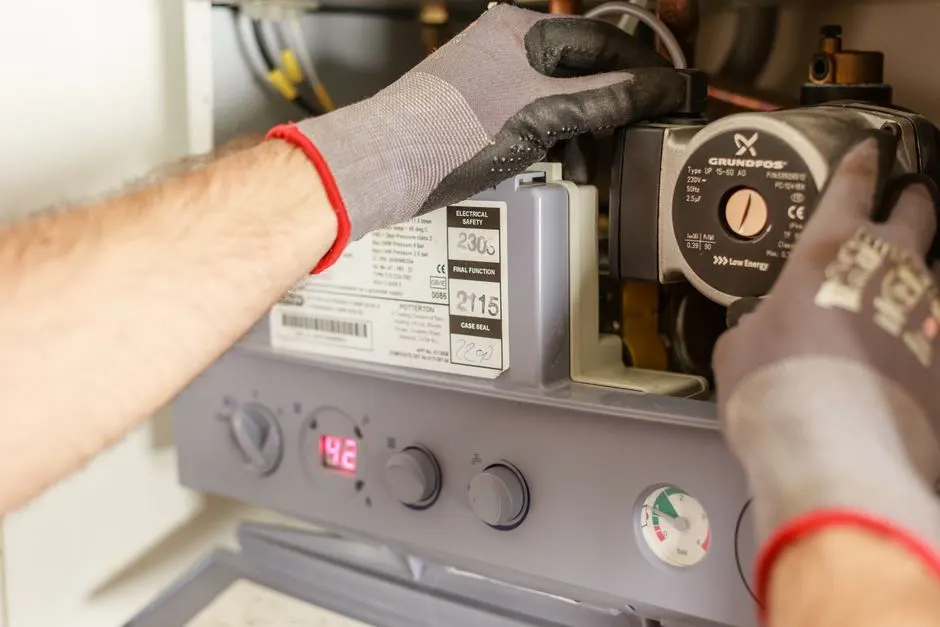 heating repairNo-heat calls are our winter bread and butter. We troubleshoot gas furnaces, electric furnaces, and heat pumps, and we keep 24/7 slots open for the nights when the temperature drops into the 40s.Explore →
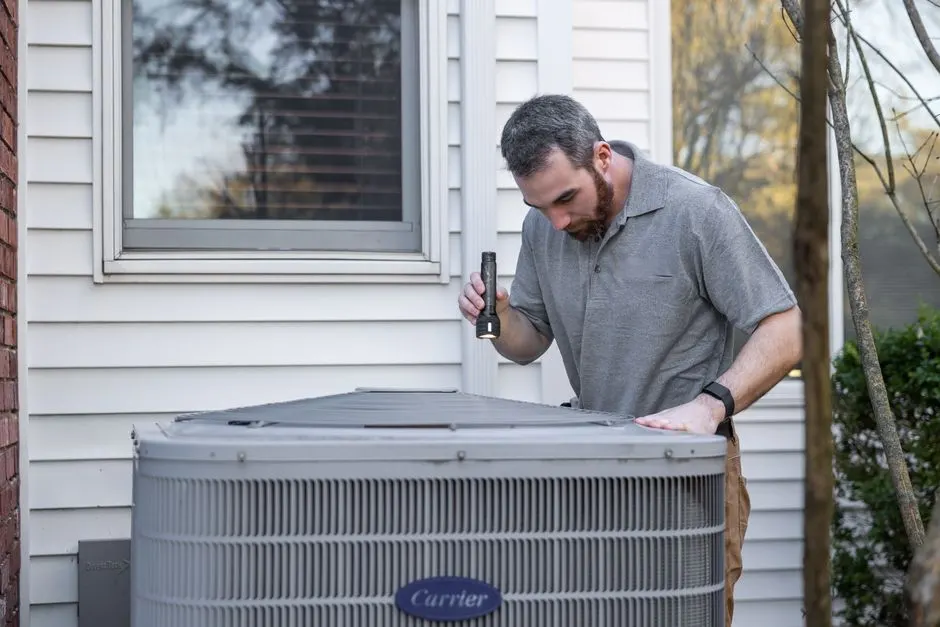 heat pump repairHeat pumps handle most of the heating load in newer Hunters creek builds. We repair reversing valves, defrost boards, and refrigerant charge issues, and we tune them alongside your furnace maintenance.Explore →
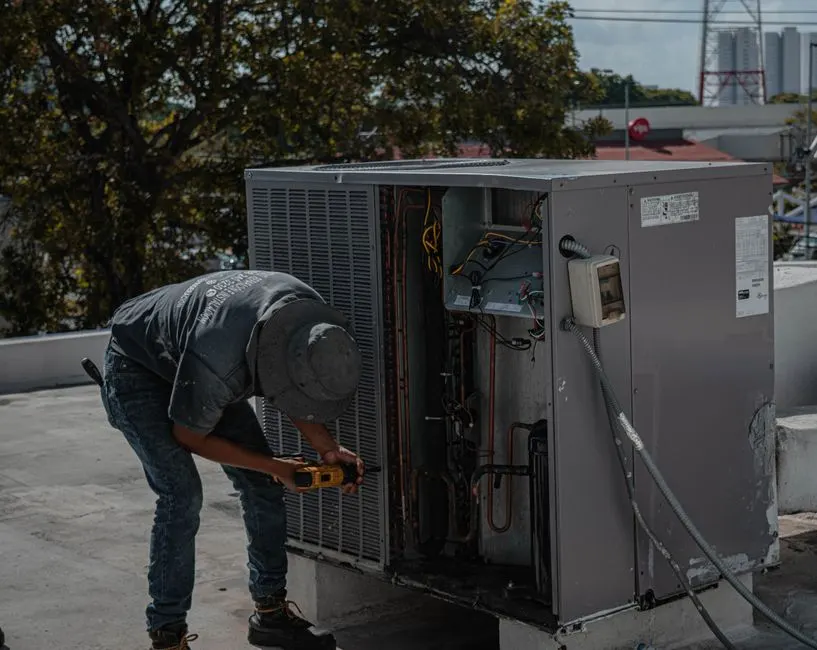 emergency HVAC repairFurnace quits at 2 a.m.? We answer. Our emergency line runs 24/7 through the winter, and we dispatch from the closest truck so you are not waiting hours in a cold house.Explore →
 AC repairSame techs, same trucks, same flat-rate pricing. If your AC is not cooling in June, we diagnose the refrigerant charge, evaporator coil, and compressor and get you back to cold air fast.Explore →
Fall slots fill fast in Orange County, and the first cold morning is closer than you think. Call (844) 796-4282 or book online and we will lock in your furnace tune-up Hunters creek appointment, usually within 48 hours. Flat-rate pricing, licensed techs, and a written report when we leave.
Book My Tune-Up (844) 796-4282 →Call (844) 796-4282 any time, day or night. A live dispatcher answers, takes your address and symptoms, and gives you an arrival window. For non-emergency work, we schedule same-day and next-day slots across Hunters creek and the surrounding neighborhoods, and we text you when the technician is on the way.